Choosing the Right Focal Length for Portrait Photography
Why Does Your Lens Choice Change the Look of a Portrait?
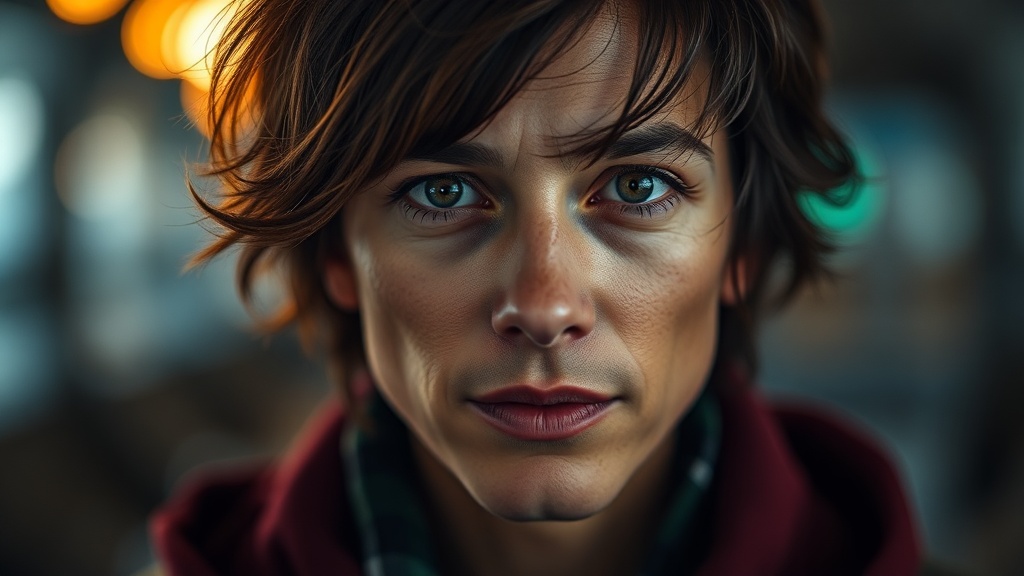
Ever wondered why a portrait shot at 35mm looks completely different from one shot at 85mm? It isn't just about how much of the background you see. It's about how the person's features are rendered and how the space around them feels. Choosing a focal length dictates the relationship between the subject, the lens, and the environment. If you pick the wrong one, you might end up with a distorted nose or a background that feels way too busy. This guide covers how different focal lengths affect facial proportions and how to select the right tool for the specific portrait style you want to achieve.
The physics of light and optics mean that every lens tells a different story. A wide-angle lens (anything below 50mm) tends to exaggerate the distance between things. If you get too close to your subject with a 24mm lens, their nose might look much larger than it actually is—this is often called "perspective distortion." On the other hand, a telephoto lens (85mm or higher) compresses the scene. This makes the background appear closer to the subject, creating that creamy, professional look many photographers crave. It’s not just a preference; it’s a technical decision that affects the final image's geometry.
What Is the Best Focal Length for Portraits?
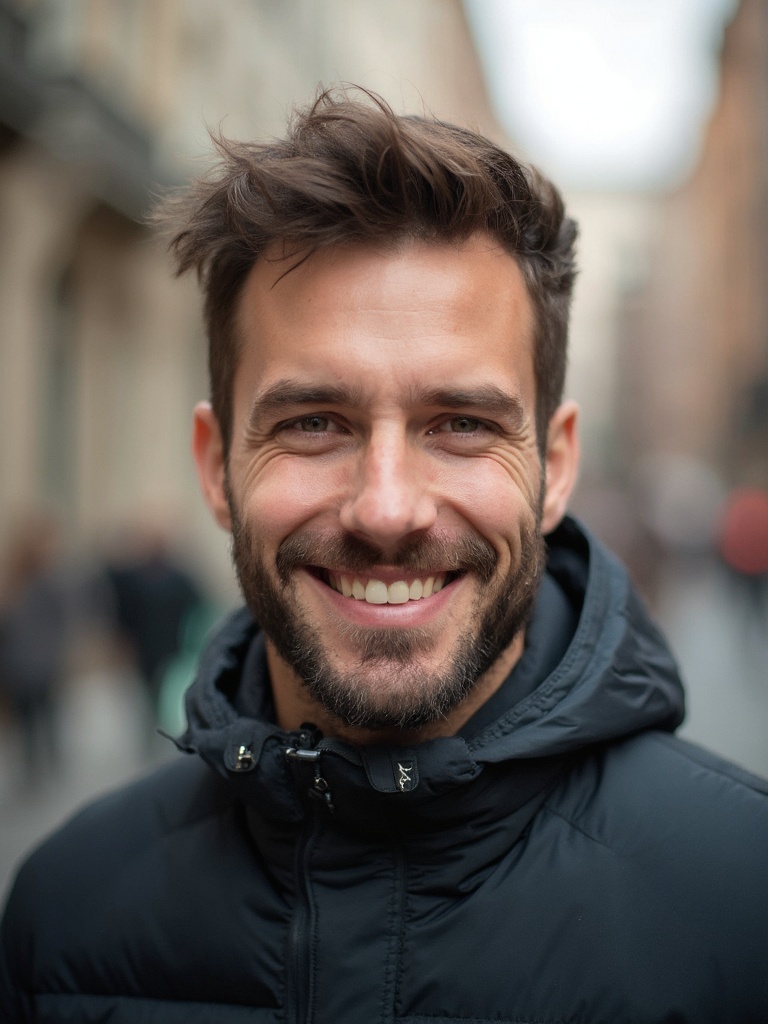
There isn't one single "best" lens, but there are industry standards for a reason. If you want to capture a tight headshot where the facial features stay proportional and natural, you'll likely reach for an 85mm or a 105mm lens. These are often called "portrait lenses" because they provide a flattering compression that makes skin textures look smooth and shapes look intentional. You can see more technical details about how focal length affects field of view on DPReview, which is a great resource for understanding lens mechanics.
If you're doing lifestyle photography—where you want to include the environment, like a coffee shop or a park—you might want to drop down to a 35mm or 50mm lens. These lenses allow you to tell a story about where the person is, not just who they are. Just be careful with your positioning. With a 35mm lens, you can't get too close to the subject's face without making them look a bit... unusual. You'll need to stand back and let the lens do the work of framing the shot.
How Does Lens Compression Affect My Subject?
Lens compression is a concept that trips up many beginners. When we talk about compression, we're talking about the visual relationship between the subject and the background. A long telephoto lens (like a 200mm) makes the background look massive and right behind the subject's head. This is great for isolating a person in a crowded street. However, if you're shooting in a tight room, a 200mm lens is useless because you can't physically move far enough back to get the shot.
- Wide Angle (14mm - 35mm): Great for environmental portraits; can cause distortion if too close.
- Standard (50mm): Very close to how the human eye sees; versatile and honest.
- Short Telephoto (85mm - 135mm): The "sweet spot" for flattering facial features and background blur.
- Long Telephoto (200mm+): Extreme compression; great for isolating subjects in vast landscapes.
When you're out in the field, you have to decide if you want to be an observer or a participant. If you use a 135mm lens, you're standing far away, observing the subject from a distance. This can lead to more candid, natural moments because the subject doesn't feel like you're in their personal space. If you use a 35mm lens, you're right in the thick of it. This creates a sense of intimacy and connection, but it also means you're much more visible to the subject.
Can I Use a Kit Lens for Professional Portraits?
The short answer is yes, but you need to understand its limitations. Most kit lenses (like an 18-55mm) are designed for versatility, not specialized portraiture. While you can certainly take a great portrait with an 18-55mm, you'll struggle to get that extremely shallow depth of field that makes a subject pop. You might find that the background remains too sharp, or the lens isn't quite sharp enough at the edges of the frame. To get better results with what you have, try zooming to your longest focal length (55mm) and moving back to create a bit of distance. This helps minimize the distortion that happens at the wider end of the zoom.
For those interested in the deep math behind lens optics, Wikipedia's entry on Focal Length provides a lot of the heavy lifting regarding how light converges. But for us, it's more about the visual result. If you're working with a limited budget, don't feel like you need to buy a $2,000 prime lens immediately. Experiment with your current gear. Try shooting the same person at 24mm, 35mm, 50mm, and 85mm. Notice how their face changes in each shot. That's the best way to learn how to actually use the gear you own.
| Focal Length | Best Use Case | Visual Effect |
|---|---|---|
| 35mm | Environmental/Lifestyle | Shows more context, slightly wider view. |
| 50mm | Street/General | Natural, close to human vision. |
| 85mm | Classic Portraits | Flattering, creates great bokeh. |
| 135mm | High-end Portraits | Extreme isolation and compression. |
Ultimately, your choice should depend on the story you want to tell. Do you want the viewer to see the subject in their world, or do you want the viewer to only see the subject? There is no wrong answer, only different ways of looking at the world through your viewfinder. Just keep an eye on your edges and watch out for that wide-angle distortion if you're working with close-up portraits.