Mastering Shooting Techniques: A Beginner's Guide
Introduction
Shooting techniques form the foundation of great photography. Whether you are just starting your photography journey or have been practicing for a while, improving your shooting techniques can make a huge difference in your photos.
Understanding Exposure
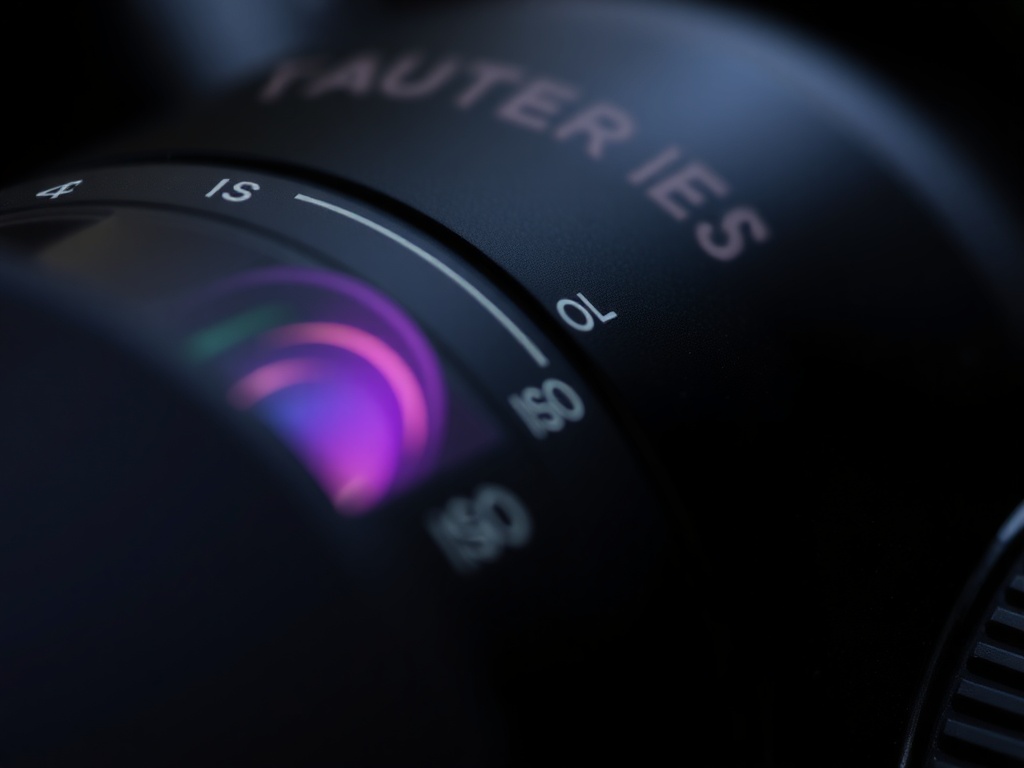
The exposure of an image is one of the most critical elements in photography. It determines how light or dark your image appears. The three components that control exposure are aperture, shutter speed, and ISO.
- Aperture: This controls the amount of light entering the lens and affects the depth of field.
- Shutter Speed: This controls how long the camera’s sensor is exposed to light, affecting motion blur.
- ISO: ISO determines the camera’s sensitivity to light, with higher ISO values allowing you to shoot in lower light conditions but potentially introducing noise.
Composition Tips
Good composition is what separates a good photograph from a great one. Here are some tips to improve your composition:
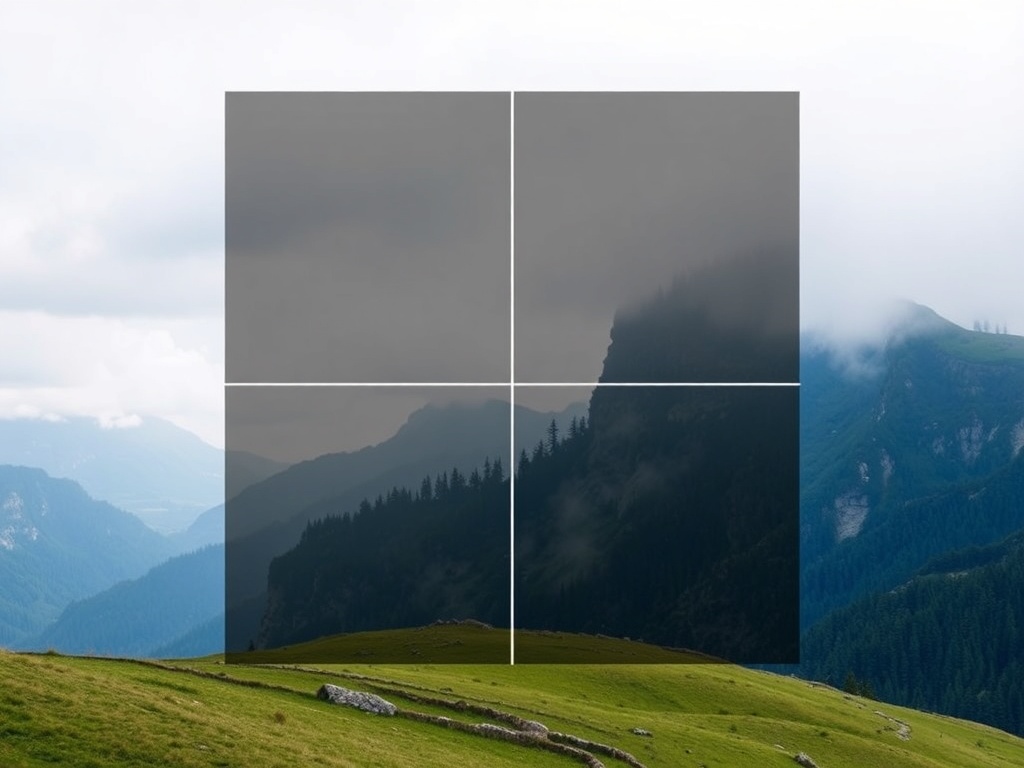
- Rule of Thirds: Divide your frame into three equal parts both horizontally and vertically. Place the subject of your photo where the lines intersect.
- Leading Lines: Use natural lines in your environment to guide the viewer’s eyes to the subject.
- Framing: Use elements in the scene to frame your subject, such as windows, doors, or overhanging branches.
Lighting and Its Impact
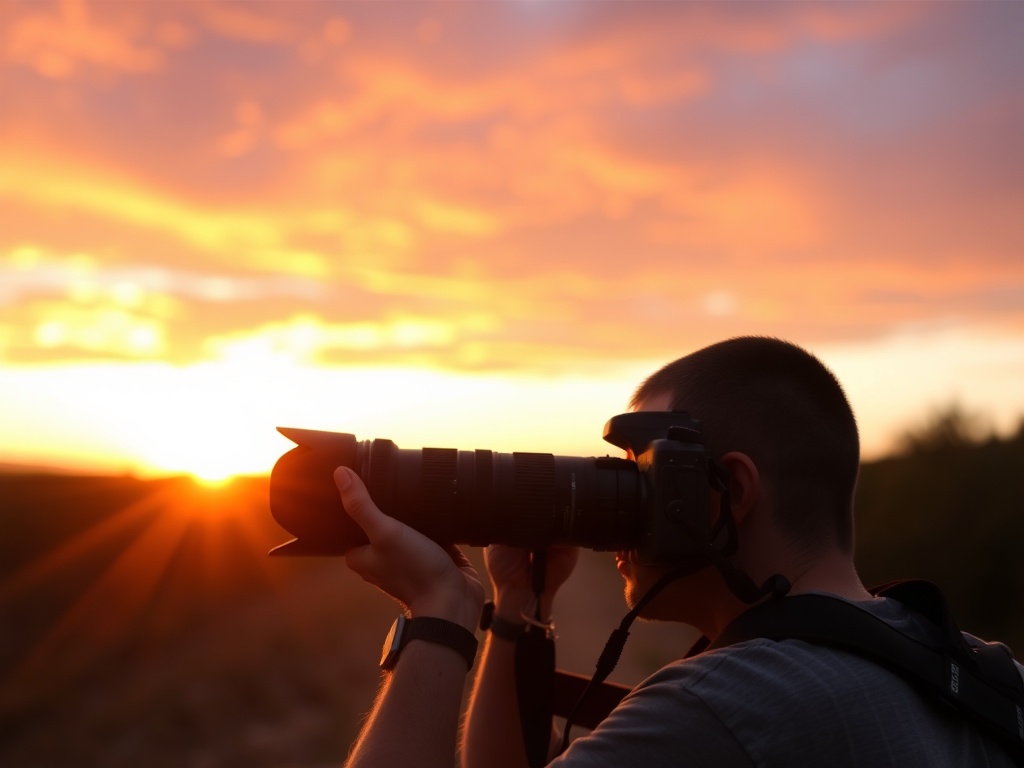
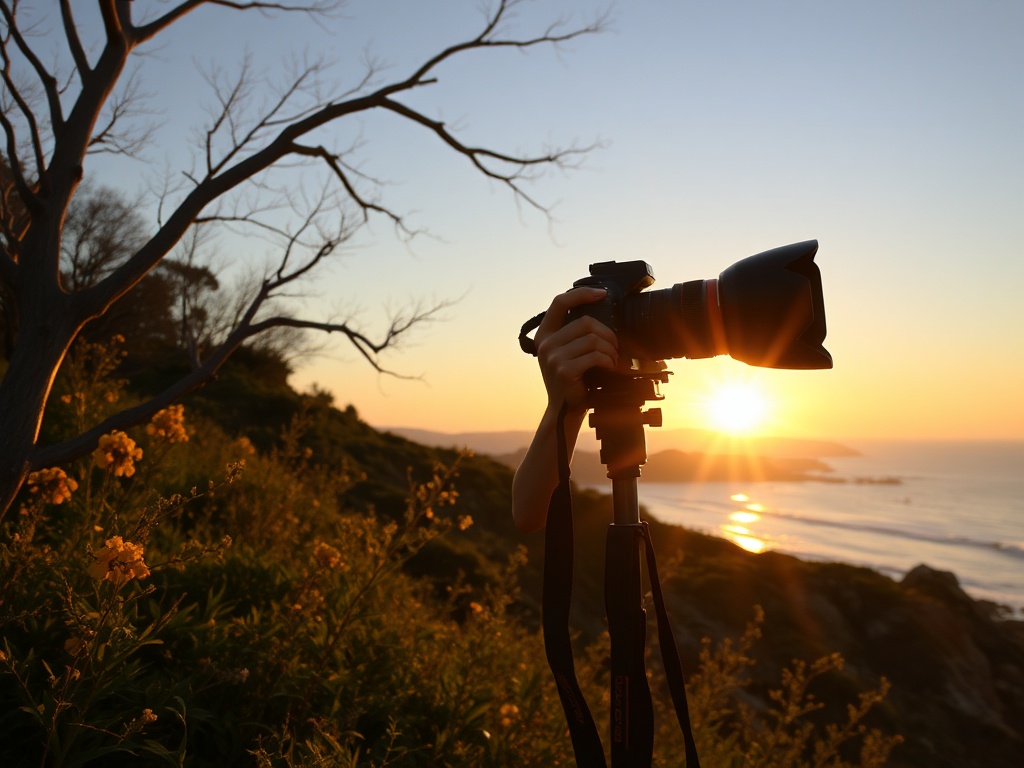
Lighting can drastically alter the mood of a photo. The quality, direction, and color of light can either make or break your shot. Natural light, especially during the golden hour, is often the best for outdoor photography.
Using Different Lenses
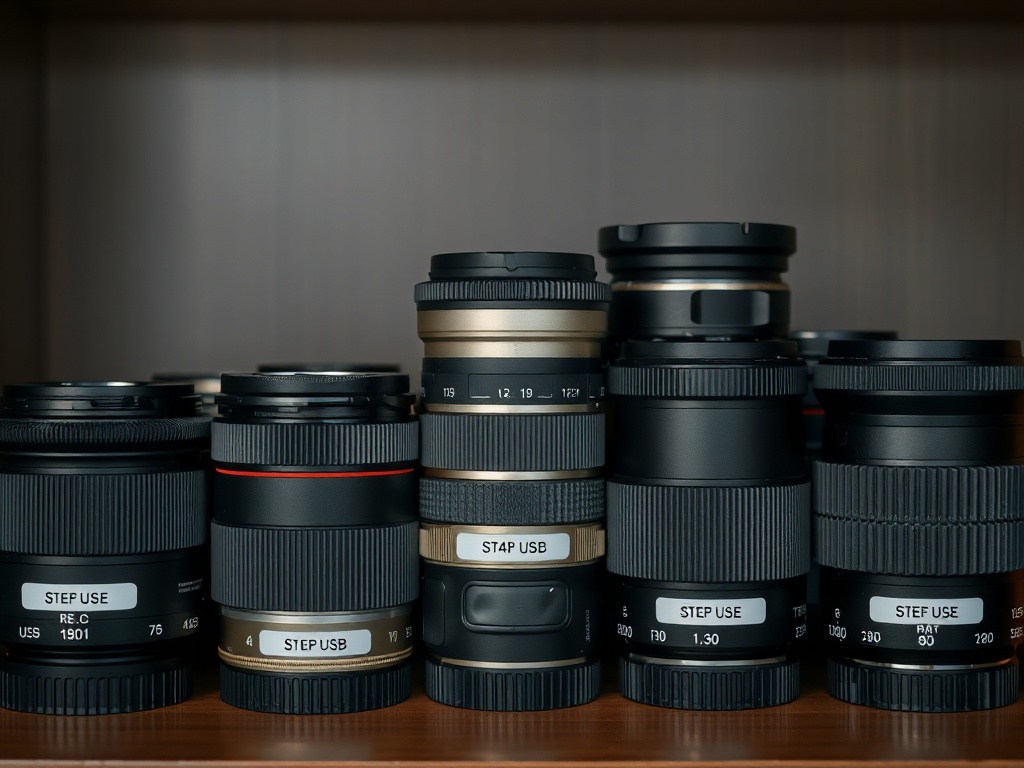
The lens you choose has a massive impact on your photos. Each lens type, from wide-angle to telephoto, offers a unique perspective.
- Wide-Angle Lenses: Great for landscapes and capturing large scenes.
- Prime Lenses: Offer sharp images and large apertures, making them ideal for portraits.
- Telephoto Lenses: Allow you to shoot distant subjects and are great for wildlife photography.
Post-Processing Tips
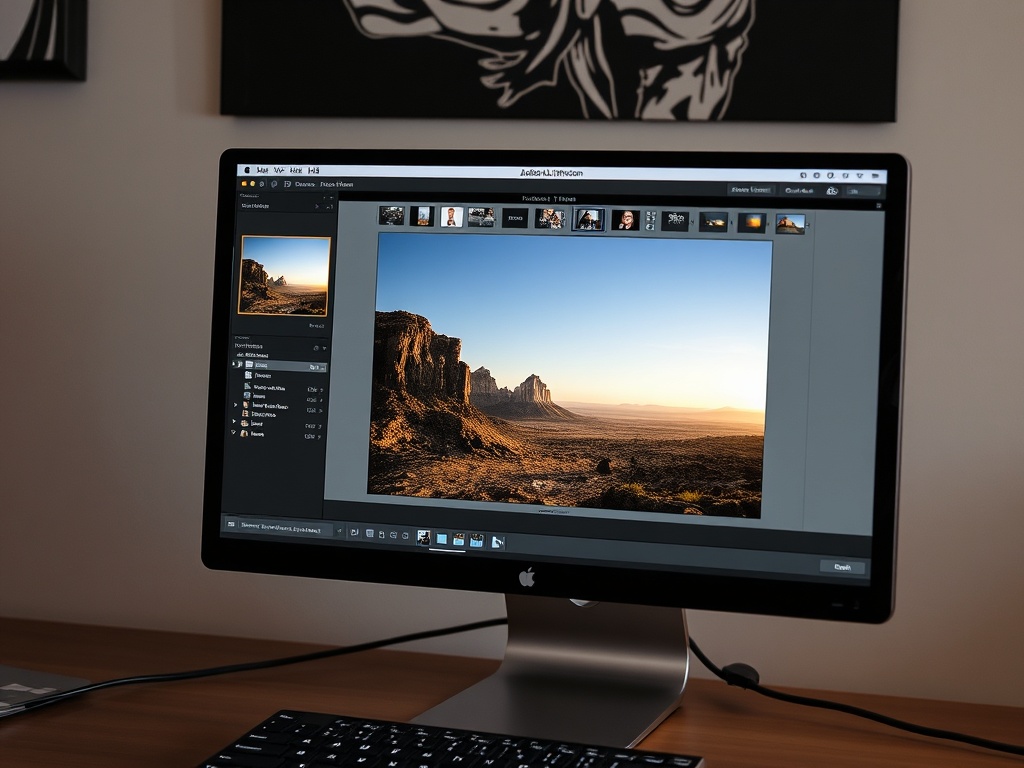
While shooting techniques are important, post-processing is just as essential. Editing your photos can bring out their full potential. Tools like Adobe Lightroom and Photoshop allow you to enhance color, correct exposure, and remove distractions.
Conclusion
Mastering shooting techniques takes time, practice, and patience. By understanding the fundamentals of exposure, composition, and lighting, you will be well on your way to capturing stunning photos.