
Mastering the Golden Hour: key Shooting Techniques for Warm, Glowing Portraits
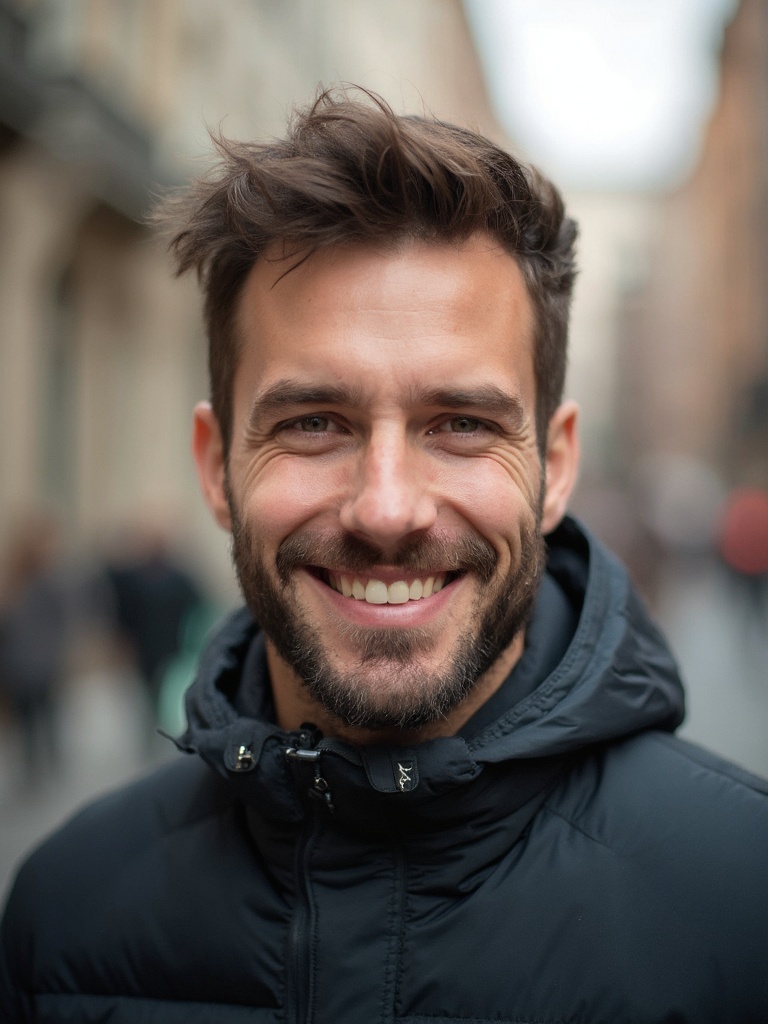
Golden hour is the period shortly after sunrise and just before sunset when daylight appears softer, warmer, and more diffused than during the middle of the day. (Some photographers call it the "magic hour"—a bit dramatic, but not wrong.) The sun sits low on the horizon, casting long shadows and bathing everything in hues of amber, peach, and rose. This light flatters skin tones, adds depth to backgrounds, and creates that dreamy glow clients often request for engagement shoots, family sessions, and editorial portraits. Learning to shoot during this window separates hobby snapshots from polished, professional imagery that clients are willing to pay premium rates to receive.
That said, golden hour doesn't last an actual hour. Depending on the season and latitude, it might stretch to ninety minutes in summer or shrink to thirty minutes in winter. In places like Seattle or Edinburgh, the window feels tighter. In Sedona, Arizona, you get a bit more breathing room. Timing matters. Scout the location beforehand. Check apps like PhotoPills or Sun Surveyor to know exactly when the sun will dip below the horizon. Arrive at least forty-five minutes early to test angles, check for obstructions like buildings or trees, and brief the subject on wardrobe and posing before the light turns perfect.
What is golden hour in photography?
Golden hour is the period shortly after sunrise and just before sunset when daylight appears softer, warmer, and more diffused than during the middle of the day. (Some photographers call it the "magic hour"—a bit dramatic, but not wrong.) The sun sits low on the horizon, casting long shadows and bathing everything in hues of amber, peach, and rose. This light flatters skin tones, adds depth to backgrounds, and creates that dreamy glow clients often request for engagement shoots, family sessions, and editorial portraits. Learning to shoot during this window separates hobby snapshots from polished, professional imagery that clients are willing to pay premium rates to receive.
That said, golden hour doesn't last an actual hour. Depending on the season and latitude, it might stretch to ninety minutes in summer or shrink to thirty minutes in winter. In places like Seattle or Edinburgh, the window feels tighter. In Sedona, Arizona, you get a bit more breathing room. Timing matters. Scout the location beforehand. Check apps like PhotoPills or Sun Surveyor to know exactly when the sun will dip below the horizon. Arrive at least forty-five minutes early to test angles, check for obstructions like buildings or trees, and brief the subject on wardrobe and posing before the light turns perfect.
What camera settings work best for golden hour portraits?
Start with a wide aperture—something between f/1.8 and f/2.8—to create a shallow depth of field that separates the subject from the background. Lower apertures (like f/1.4 on the Canon EF 85mm f/1.4L IS USM) produce creamy bokeh, though they demand precise focus on the eyes. Keep ISO as low as possible—usually 100 or 200—to preserve dynamic range and minimize noise. Shutter speed depends on whether the subject is still or moving. For a posed portrait, 1/200s works fine. For a child running through tall grass, jump to 1/500s or faster.
Here's the thing: golden hour light changes fast. One minute it's bright and directional. The next, it's slipping behind a hill. Shoot in manual mode or aperture priority so exposure doesn't drift as the ambient light drops. If the background is significantly brighter than the subject's face, spot metering helps. Meter off the cheek or forehead, then lock exposure before recomposing. Bracketing exposures—capturing one frame at the metered reading, one under, and one over—can save a shot when the contrast between sky and skin becomes extreme.
Flash or natural light?
Natural light alone can look stunning at golden hour, but a touch of fill flash prevents faces from falling into shadow when shooting backlit. The Profoto B10 or a simple Speedlight with a diffuser works well. (Don't blast the subject—keep the flash subtle, almost invisible.) The goal is balance, not overpowering the sun. If flash feels too technical, a collapsible reflector offers a zero-battery alternative. Hold it at waist height, angled up toward the subject's face, and watch the shadows soften in real time.
How do you avoid overexposure during golden hour?
The easiest way to avoid overexposure is to shoot slightly underexposed—about one-third to two-thirds of a stop—and recover shadows later in Adobe Lightroom. RAW files hold far more detail than JPEGs, so always record in RAW if the camera allows it. Modern sensors from Sony, Canon, and Nikon can pull two or even three stops of shadow detail without visible banding, which gives tremendous flexibility when the sun is blazing directly into the lens.
Another technique: position the subject so the sun sits behind them at a slight angle. This creates rim lighting—that beautiful halo around hair and shoulders. The catch? The face can go dark. Use a reflector (a simple five-in-one foldable disc works) to bounce light back onto the subject. Silver side for punch, gold side for extra warmth, white side for something neutral. If the wind is blowing hair across the face, rim light catches every strand, adding texture and separation from busy backgrounds like golden fields or city skylines.
Worth noting: histograms don't lie. Check the rear LCD after the first few frames. If the graph spikes hard on the right, dial down exposure compensation. Cloudless skies are the riskiest. A thin layer of clouds acts like a giant softbox, giving more forgiving margins. Overcast golden hour light is softer still—perfect for beauty shots where skin texture needs to look flawless and poreless.
Which lenses are best for golden hour portraits?
Prime lenses in the 85mm to 135mm range dominate portrait work for good reason. They compress facial features flatteringly and throw backgrounds into smooth, glowing abstraction. The Nikon Z 85mm f/1.8 S delivers razor-sharp eyes with velvety out-of-focus areas. Sony shooters often reach for the 85mm f/1.4 GM. On a budget, the Sigma 85mm f/1.4 DG DN Art punches well above its price. These lenses aren't cheap, but they pay for themselves in the quality of light they render during those fleeting evening minutes.
That said, don't ignore wider options. A 35mm or 50mm lens captures environmental portraits—showing the subject within a sweeping field of wildflowers or against the cliffs of Malibu. Just keep the subject centered and avoid putting faces too close to the edges, where distortion stretches features. For photographers who prefer zooms, the Canon RF 70-200mm f/2.8L IS USM or Sony FE 70-200mm f/2.8 GM II offer flexibility without sacrificing aperture. You can frame tight headshots at 200mm and then zoom out to 70mm for full-body poses without swapping glass.
| Lens | Focal Length | Best For | Approximate Price |
|---|---|---|---|
| Canon EF 85mm f/1.4L IS USM | 85mm | Classic headshots with creamy bokeh | $1,599 |
| Nikon Z 85mm f/1.8 S | 85mm | Sharp portraits on mirrorless bodies | $799 |
| Sony FE 85mm f/1.4 GM | 85mm | High-end editorial and low-light work | $1,799 |
| Sigma 35mm f/1.4 DG DN Art | 35mm | Environmental portraits with context | $899 |
What composition techniques work during golden hour?
Effective golden hour composition relies on backlighting, side lighting, leading lines, and layered foreground elements to add depth and visual interest. Backlighting isn't the only move. Side lighting creates texture and drama—perfect for editorial or fashion portraits where mood matters more than softness. Place the sun at a 45-degree angle to the subject and watch how shadows sculpt the cheekbones. For something gentler, shoot with the sun directly behind the subject and let the lens flare bloom across the frame. (Lens hoods off for this one—embrace the haze.) Flare can reduce contrast, so add a touch back in post-processing if the image looks too flat.
Leading lines matter more when the light is this warm. A path through Richmond's James River Park, a fence row in Napa Valley, or a boardwalk on Cape Cod draws the eye toward the subject while the golden tones hold attention. Shoot through foreground elements—tall grass, tree branches, fabric—to add depth and dimension. The resulting layers feel cinematic. That said, don't let the foreground steal focus. Stop down to f/4 or f/5.6 if necessary to keep both the subject and the framing element reasonably sharp.
Posing tips for glowing skin
Angle the subject's face toward the light source. Chin down, eyes up—it's a classic for a reason. If the sun is behind them, have them look slightly off-camera to avoid squinting. Movement helps too. Twirling dresses, tossing hair, walking toward the camera. These moments feel alive. The warm light wraps around every motion. For couples, the "forehead touch" or walking hand-in-hand into the sunset creates natural interaction. The glow catches the edges of their profiles and turns ordinary poses into something that looks straight out of a film still.
How do you edit golden hour portraits?
Edit with a light touch. Golden hour images already carry rich color, so heavy filtering looks fake fast. In Lightroom or Capture One, warm the white balance slightly—maybe 200 to 400 Kelvin—if the camera rendered things too cool. Lift shadows on the face. Drop highlights in the sky. Add a touch of dehaze if the backlight went too milky. The best golden hour edits enhance what was already there rather than manufacturing a look that never existed in camera.
Here's the thing: skin tone accuracy trumps aesthetic trends. Check that highlights on the forehead and nose aren't drifting into orange. Use the HSL panel to tweak orange and yellow luminance without killing the warmth. For batch editing, create a preset that adds gentle contrast and softens greens in the background. (Olive and khaki foliage pairs beautifully with amber light.) Some photographers love the look of film emulation. VSCO's Kodak Portra 400 preset or Mastin Labs' Fuji 400H profile adds subtle grain and color shifts. Apply these at 50% strength or less. The goal is enhancement, not disguise.
Golden hour rewards patience. Arrive early. Stay late. The best frames often come when the sun has technically set and the sky throws off its last pink and violet breaths—the so-called "blue hour" transition. Keep shooting. The light won't wait, but the results will last for years.